
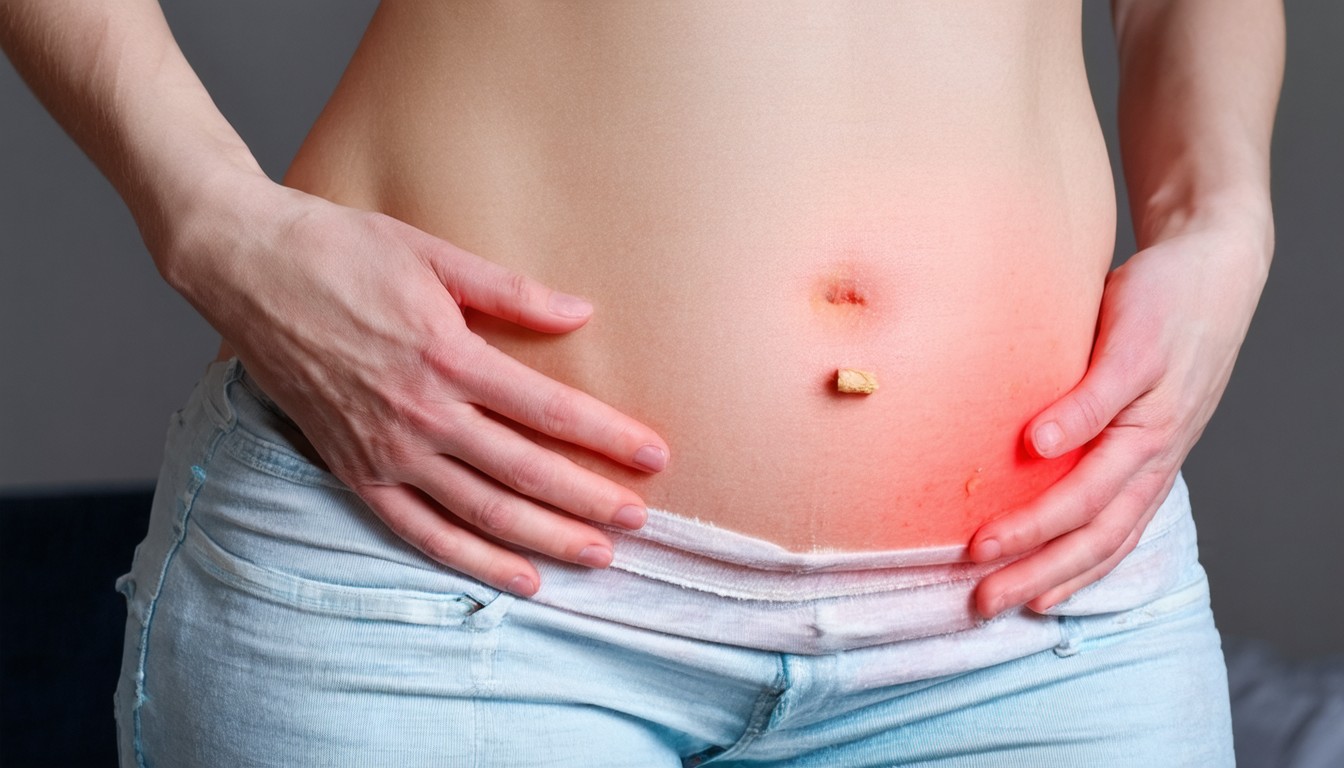
Understanding Cramps But No Period: Why the Symptoms Can Be Confusing
Lower abdominal cramps are intimately associated with menstruation for many women and people with periods. So when you experience cramps but no period arrives, it can prompt confusion, frustration, and concern. You may wonder if your body is sending a warning signal, or if there’s a minor, temporary cause behind your discomfort. This article examines why you might experience cramps with no period, explains potential underlying conditions, and offers practical guidance to help you decide what to do next. By understanding the causes and recommended actions, you can address your symptoms thoughtfully, reduce anxiety, and seek medical advice when necessary.
What “Cramps But No Period” Means: Definitions and Scope
Muscle-like aching in the lower abdomen—typically described as cramps—usually signals the uterus contracting, as it does before and during menstruation. When cramps occur without a period, it simply means those familiar sensations arise without menstrual bleeding following, as expected. This symptom may last from a few hours to several days, and can range from mild to severe.
Common causes include hormonal fluctuations, stress, changes in exercise routines, early pregnancy, or underlying medical conditions like endometriosis or ovarian cysts. While this article is written with adults in mind, many of these insights apply to young women and anyone experiencing menstrual cycles.
Why Cramp Symptoms Matter for Your Health
Ignoring recurring or severe cramps when not menstruating can risk missing early signs of health issues. For example, endometriosis often starts with irregular pelvic pain but can have long-term consequences if left unaddressed, such as fertility problems or chronic pain. Early recognition empowers you to seek medical attention promptly, improves comfort, and maintains reproductive health.
If your goal is consistent cycle management and overall wellness, knowing when cramps are expected—or a sign of an underlying issue—gives you important knowledge to advocate for your own care.
Steps to Analyze and Address Cramps Without a Period
Understanding the difference between benign and concerning causes of cramps without a period involves a structured approach. The following actionable steps can clarify your next move.
Step 1: Record Your Symptoms and Cycle
Begin by documenting when your cramps started, their intensity, frequency, and any other accompanying symptoms (such as bloating, nausea, back pain, or unusual vaginal discharge). Track your last menstrual period (LMP), typical cycle length, and any changes to your usual patterns. This data provides powerful diagnostic clues for your healthcare provider and can reveal trends you might otherwise miss.
Step 2: Consider Common Benign Causes
Some of the most frequent, non-serious causes of cramps but no period include:
- Ovulation Pain (Mittelschmerz): Mid-cycle cramps when an ovary releases an egg. These typically last a few hours to a couple of days and resolve on their own.
- Premenstrual Syndrome: In the days leading up to a period, cramps can start before actual bleeding.
- Pregnancy: Early pregnancy, especially prior to a missed period or positive test, can cause cramping as the uterus changes.
- Stress: Psychological stress can disrupt hormonal balance, delaying periods and generating cramp-like sensations.
Assess if any of these seem relevant, based on your symptoms and timing.
Step 3: Rule Out Concerning Conditions
Be cautious if your cramps are severe, persistent, or accompanied by symptoms such as abnormal bleeding, fever, pain during intercourse, or gastrointestinal distress. Conditions to consider include:
- Endometriosis: Tissue similar to the lining of the uterus grows outside it, causing irregular cramps.
- Polycystic Ovary Syndrome (PCOS): Causes hormonal imbalances and irregular cycles with pelvic pain.
- Ovarian Cysts: Can cause cramps, especially if ruptured or enlarged.
- Pelvic Inflammatory Disease: Infections of the reproductive tract lead to pelvic pain, sometimes without visible symptoms at first.
Step 4: Use At-Home Checks and Tools
- Pregnancy Tests: If you’re sexually active and your period is late, take a home urine pregnancy test.
- Temperature Tracking and Cycle Apps: Use ovulation predictors or apps to understand your hormonal cycle better.
- Pain Logs: Note if pain is increasing, spreading, or interfering with daily activities.
Step 5: Decide When to Seek Medical Evaluation
Seek immediate care if you experience:
– Severe or sudden pelvic pain
– Dizziness or fainting
– High fever
– Heavy vaginal bleeding
For mild cases, schedule a routine visit if:
– Cramping becomes frequent or persists across cycles
– You notice cycle irregularities, fertility challenges, or new sexual/pelvic symptoms

Key Tools and Metrics
- Pain Scale: Rate your pain intensity from 1 to 10 to monitor changes.
- Cycle Regularity: Note if your periods have become increasingly irregular.
- Associated Symptoms: Track secondary symptoms—fever, vaginal discharge, pain location—for your provider.
Data & Proof: What the Research Shows
Relevant Statistics and Evidence
- Up to 20% of women report experiencing pelvic pain or cramps at some point in their cycle that are not directly tied to menstruation (American College of Obstetricians and Gynecologists, 2019).
- Around 10% of reproductive-aged women are affected by endometriosis, often signaled by pain between or outside of periods (World Health Organization, 2023).
- Stress is linked to menstrual irregularity and delayed cycles in up to 40% of women (Journal of Women’s Health, 2021).
What the Numbers Mean for You
These findings underscore that while cramps but no period are common, persistent or worsening pain deserves medical attention. Endometriosis and chronic stress may underlie subtle, recurrent symptoms. Documenting your experience and seeking advice soon can reduce the risk of complications and help clarify your body’s signals.
Practical Examples of Cramps With No Period
Example A: Ovulation-Related Cramping
Sarah, 28, experiences sharp lower abdominal twinges, lasting a day, exactly two weeks after her last period. She tracks her ovulation with an app, which matches the timing. No period arrives immediately, and the discomfort resolves within 36 hours. Her experience demonstrates classic mittelschmerz—benign and self-limited.
Example B: Cramping from an Ovarian Cyst
Maria, 35, notes persistent cramping and light spotting despite a missed period. After two weeks with no resolution, she consults her gynecologist. An ultrasound reveals a small ovarian cyst, which resolves with minimal intervention. Her proactive tracking and medical consultation prevent escalation.
These cases highlight the range of possible causes and underscore the value of documenting symptoms, using home tools, and knowing when to contact a provider.
Common Mistakes & How to Avoid Them
- Ignoring Persistent Pain: Assuming all cramps without periods are harmless can delay critical medical evaluation.
- Relying Only on Apps: While tracking tools help, they don’t replace professional diagnosis.
- Overlooking New Symptoms: Changing patterns of pain, new discharges, or other health shifts shouldn’t be dismissed.
- Delaying Pregnancy Tests: Early cramping is a common pregnancy sign; timely testing helps clarify your situation.
Avoid these pitfalls by staying observant and responsive to your body’s messages.
Implementation Checklist
- Document all cramping episodes (timing, severity, related symptoms).
- Track your menstrual cycles and note any missed or irregular periods.
- Use at-home pregnancy tests if your period is late and you may be pregnant.
- Note changes in pain or new symptoms, such as unusual vaginal discharge or fever.
- Try gentle self-care: hydration, rest, heating pads, and light physical activity.
- Schedule a healthcare visit for persistent, severe, or concerning symptoms.
- Bring your symptom record to your healthcare provider for precise evaluation.
Conclusion: Taking Charge When You Have Cramps But No Period
Experiencing cramps but no period unsettles many people, but understanding possible causes empowers you. By tracking your symptoms, recognizing benign versus concerning scenarios, and seeking medical input wisely, you can protect your reproductive health and bring peace of mind. Remember: consistent documentation, timely testing, and open communication with your healthcare provider are your best tools for clarity and prevention.
FAQs
What should I do first if I experience cramps but no period?
Start by documenting your symptoms and menstrual cycle details. If there’s a chance of pregnancy or the pain is severe, take a test or seek medical advice.
Can stress cause cramps when not on my period?
Yes. Stress commonly disrupts hormonal patterns, which can lead to delayed periods and muscle-like cramping even without bleeding.
When are cramps without a period a cause for concern?
Severe, sudden, or persistent cramps—especially with fever, abnormal bleeding, or new discharge—are reasons to consult a healthcare provider.
Is cramping without a period an early sign of pregnancy?
It can be. Early pregnancy often involves mild cramps as the uterus prepares for embryo implantation, but testing is needed for confirmation.
Are there at-home treatments for mild cramps without a period?
Hydration, rest, warm compresses, and mild over-the-counter pain relief can help in benign scenarios. However, consistent or worsening symptoms should be evaluated by a professional.

